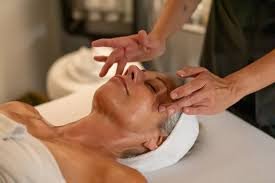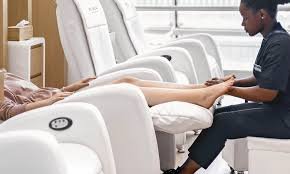


Self-care is more than just a buzzword — it’s a vital practice for maintaining physical, emotional, and mental well-being. While professional therapies are invaluable, integrating self-care into your daily life at home ensures lasting benefits. Therapists specializing in massage, postpartum recovery, and wellness often provide practical tools and tips that make self-care both effective and accessible.출장마사지
Why In-Home Self-Care Matters
Life can be hectic, and scheduling regular appointments outside the home isn’t always possible. By bringing self-care into your personal space:
-
You maintain consistency in your wellness routines.
-
You reduce stress by avoiding travel and crowded spaces.
-
You create an environment tailored to your comfort and needs.
In-home self-care complements professional guidance, reinforcing the benefits of therapy between sessions.
Essential Tools for Home Wellness
-
Massage Tools
-
Foam rollers and massage balls for targeted muscle relief
-
Handheld massagers to reduce tension in shoulders, neck, or back
-
Hot or cold therapy packs for inflammation and relaxation
-
-
Mindfulness & Meditation Aids
-
Guided meditation apps or audio sessions
-
Aromatherapy diffusers with calming essential oils
-
Eye masks or weighted blankets for deep relaxation
-
-
Fitness & Mobility Equipment
-
Yoga mats and resistance bands for gentle strength and stretching
-
Balance balls to improve core stability
-
Small weights for light resistance exercises
-
-
Hydration & Nutrition Tools
-
Water bottles or infusers to encourage regular hydration
-
Meal prep tools for nutritious, easy-to-access snacks
-
Journals for tracking nutrition, sleep, or mood
-
Therapist Tips for Effective Self-Care
-
Consistency Over Intensity: Short, regular self-care sessions are often more effective than occasional long sessions.
-
Mind-Body Connection: Focus on breath and posture while performing exercises or stretches.
-
Environment Matters: Dim lighting, calming music, and a clutter-free space enhance relaxation.
-
Personalized Routine: Adapt tools and techniques to your body’s needs, just as a therapist would in a session.
-
Check-In Regularly: Monitor progress, soreness, or stress levels, and adjust routines accordingly.
Creating a Home Self-Care Routine
-
Morning: Gentle stretching or yoga to wake up the body.
-
Midday: Short mindfulness or breathing exercises to reduce stress.
-
Evening: Relaxing massage, meditation, or warm bath to wind down.
-
Weekly: Review wellness progress and update your routine as needed.
Final Thoughts
Integrating self-care at home doesn’t replace professional therapy — it enhances it. By using the right tools and following therapist-recommended tips, you can maintain your well-being, prevent tension, and nurture both body and mind. Consistency, personalization, and mindfulness are the keys to making in-home self-care a sustainable part of your lifestyle.