
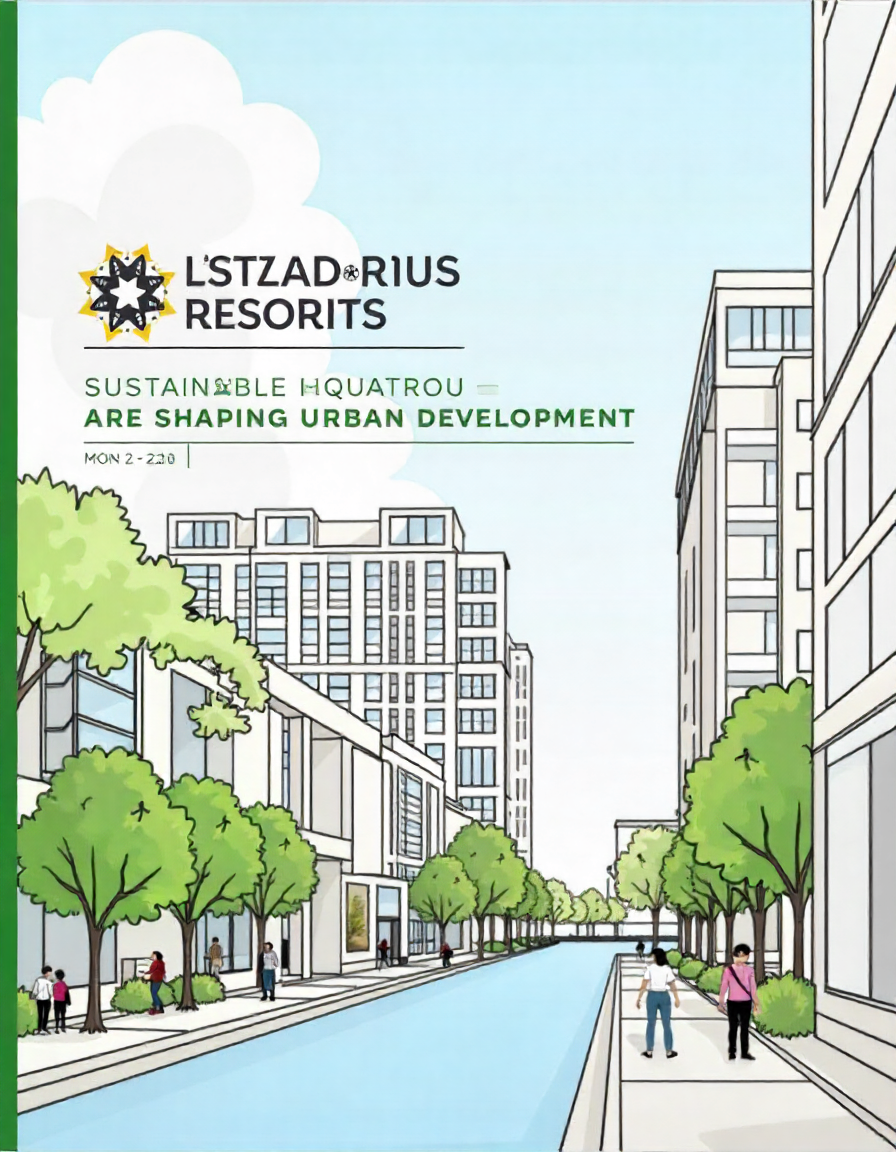
Urban areas are the epicenters of economic activity, culture, and innovation, but they also account for a significant share of global environmental challenges. With over half of the world’s population now living in cities, the importance of sustainable urban development has never been greater. Cities face immense pressures to accommodate growing populations while addressing climate change, improving infrastructure, and maintaining a high quality of life for residents.
Sustainable practices are increasingly becoming the backbone of modern urban planning, reshaping how we design, build, and live in cities. This detailed exploration dives into the innovative approaches and actionable strategies transforming urban landscapes into greener, more equitable spaces.
Understanding Sustainable Urban Development
At its core, sustainable urban development involves creating cities and communities that cater to social, environmental, and economic needs without compromising the ability of future generations to meet their own needs. It’s not just about planting trees in city parks or reducing single-use plastics — it’s about integrating sustainability into every aspect of a city’s operation, from transportation to housing and waste management.
The concept brings together three critical pillars:
- Social Sustainability – Enhancing quality of life, ensuring accessibility, and promoting equity within communities.
- Environmental Sustainability – Reducing pollution, protecting natural resources, and mitigating the effects of climate change.
- Economic Sustainability – Minimizing waste, increasing energy efficiency, and promoting innovation to boost economic resilience.
Why Cities Need Sustainable Practices Now
The urgency for embedding sustainable practices in urban development stems from the sheer scale of urban challenges we face today.
1. Population Growth and Urbanization
By 2050, nearly 70% of the world’s population is projected to live in urban areas, creating unprecedented demands for housing, transportation, and resources. This rapid urbanization puts significant pressure on existing infrastructure, leading to housing shortages, traffic congestion, and resource depletion.
2. Climate Change
Cities are responsible for more than 70% of global greenhouse gas emissions. Extreme weather events, rising sea levels, and urban heat islands are just a few of the climate-related challenges disproportionately affecting urban areas. Without intervention, these effects will worsen, impacting millions of lives.
3. Resource Consumption and Waste
Cities consume over two-thirds of the world’s energy and produce large amounts of solid waste. Unsustainable consumption patterns not only contribute to environmental degradation but also strain municipal systems already struggling to manage waste effectively.
4. Social Disparities
Urban sustainability is not just about environmental considerations; it also requires addressing inequality. Many cities face stark disparities in access to housing, education, and economic opportunities, which sustainable development aims to bridge.
Pioneering Sustainable Practices in Urban Development
Across the globe, forward-thinking cities are implementing innovative solutions to promote sustainability. Here are some cutting-edge practices driving change.
1. Green Building and Architecture
Green architecture prioritizes design and construction methods that improve energy efficiency, reduce waste, and minimize environmental impact. Smart building materials, renewable energy integration, and passive design solutions ensure that structures consume fewer resources over their lifetimes.
Examples of Innovation
- Vertical Gardens and Living Walls – Incorporating vegetation into building exteriors cuts heating and cooling costs while improving air quality.
- Net-Zero Energy Buildings – Structures like Singapore’s Zero Energy Building generate as much energy as they consume, thanks to solar panels and advanced energy-efficient systems.
- Repurposed Materials – Modern architects are using recycled concrete, reclaimed wood, and other sustainable materials to reduce construction waste.
2. Sustainable Transportation Systems
Transportation accounts for a substantial share of urban emissions, and solving this issue is pivotal to creating sustainable cities. Cities are adopting eco-friendly transportation solutions that focus on reducing emissions and improving connectivity.
Key Practices
- Public Transit Expansion – Investing in eco-efficient public transportation systems, such as electric buses and metro networks, reduces car dependency.
- Bike-Friendly Infrastructure – Cities like Amsterdam lead by example with robust cycling infrastructure that fosters zero-emission mobility.
- Car-Free Initiatives – Urban centers such as Oslo and Copenhagen are creating car-free zones to decrease traffic while promoting walkability.
3. Urban Green Spaces
Green spaces not only provide ecosystems with respite from urban sprawl but also significantly enhance well-being for residents. Parks, rooftop gardens, and urban forests bring nature back to the city while offsetting urban heat islands.
Case in Point
- High Line, New York City – A rebuilt elevated rail line turned green park, offering residents a natural oasis amid the urban jungle.
- Singapore’s City in a Garden – The city-state’s integrated plan combines lush vegetation throughout urban areas, boosting biodiversity while lowering ambient temperatures.
4. Renewable Energy Integration
Cities are transitioning to renewable energy sources, which are both cleaner and more sustainable than fossil fuels.
- Solar Power Expansion – Rooftop solar installations are becoming affordable and widely adopted, ensuring that urban areas generate renewable electricity locally.
- District Heating Systems – Cities in Scandinavia rely on district heating networks powered by renewable sources, providing consistent, efficient heating while reducing emissions.
5. Smart Cities and Urban Technology
Smart technologies are revolutionizing urban management. By using real-time data and analytics, cities can enhance resource efficiency and improve quality of life.
Key Developments
- IoT-Driven Traffic Management – Sensors monitor and optimize traffic flow, reducing congestion and emissions.
- Waste Identification Systems – Smart bins equipped with sensors ensure waste is collected efficiently and recyclable materials are diverted appropriately.
- Energy-Optimized Lighting – Smart lighting systems adjust brightness based on human activity, reducing energy consumption during off-peak hours.
6. Innovative Waste Management
Circular economy principles are guiding sustainable urban waste practices. These emphasize reducing consumption, reusing materials, and recycling waste into valuable resources.
Examples
- Organic Waste Recycling – Cities are investing in anaerobic digestion plants that convert food waste into biogas and compost.
- E-Waste Recycling Hubs – Initiatives in places like India tackle the growing problem of discarded electronics, safely stripping down and repurposing components for reuse.
7. Equitable Urban Design
Urban development must address social inclusivity. Placing equity at the heart of urban planning ensures that all residents, regardless of income or background, can access essential amenities.
What This Looks Like
- Affordable Housing Projects – Prioritizing eco-efficient homes for low-income families integrates sustainability with equity.
- Mixed-Use Developments – Blending residential, commercial, and recreational spaces reduces commuting times and fosters vibrant interactions.
The Benefits of Sustainable Urban Development
Adopting sustainable practices helps cities achieve long-term resilience while delivering numerous benefits to residents and the environment.
- Environmental Impact Reduction – Cleaner air, reduced emissions, and preserved ecosystems promote healthier living conditions for urban populations.
- Economic Growth – Green infrastructure and renewable energy sectors create jobs and attract carbon-conscious investments.
- Enhanced Quality of Life – Sustainable cities offer improved public health, reduced commuting stress, and more equitable opportunities for all.
Challenges and Solutions in Scaling Sustainability
Despite its promise, implementing sustainable practices in urban areas isn’t without obstacles. Key challenges include the high costs of infrastructure upgrades, resistance from stakeholders, and limited coordination among policymakers.
Pathways Forward
- Public-Private Partnerships – Collaboration between governments and the private sector can provide the necessary capital to fund large-scale projects.
- Community Engagement – Achieving buy-in from residents ensures initiatives align with local needs and garner broader support.
- Education and Awareness – Promoting sustainability through campaigns fosters a culture of environmental consciousness among all city stakeholders.
Looking Ahead
Sustainable urban development is no longer an option—it’s an imperative. With innovative practices and comprehensive strategies, cities can become thriving hubs where people and nature coexist harmoniously. The path forward requires balancing ambition with accountability, ensuring that every decision contributes to a future that is greener, fairer, and more resilient.
The decisions we make today will determine the kind of cities we inherit tomorrow. By prioritizing sustainability, we’re paving the way for urban environments that are not just functional but also deeply inspiring places to live.