

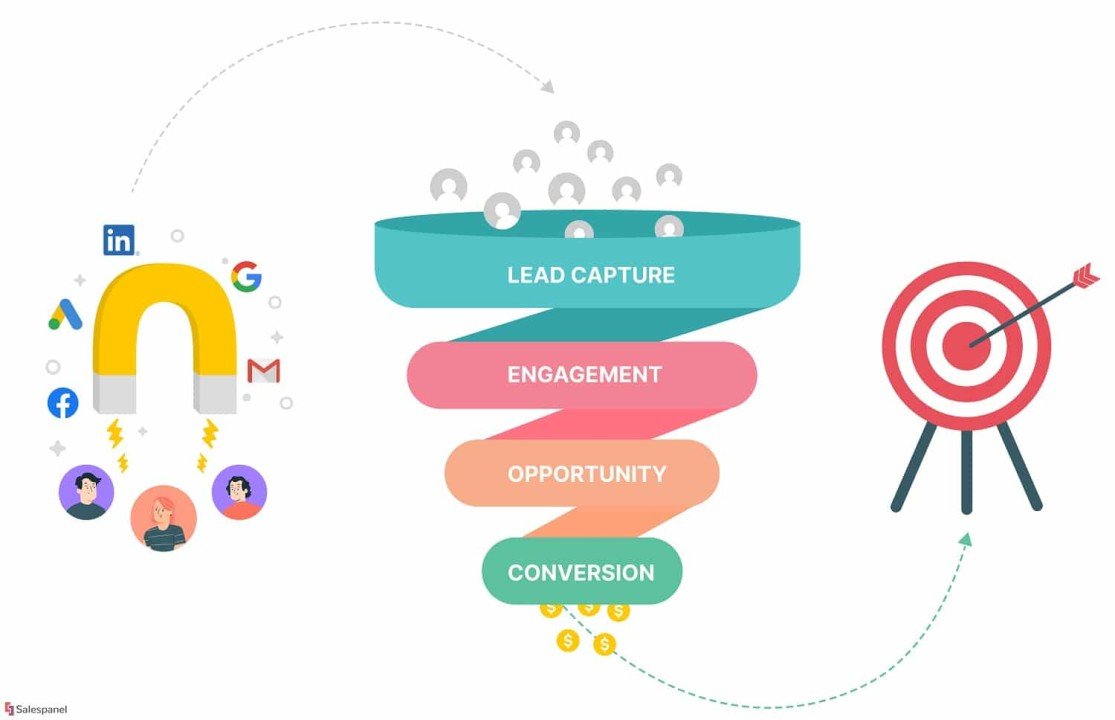
In today’s rapidly evolving marketplace, every business faces one fundamental challenge — finding consistent, high-quality leads that convert into paying customers. For B2B companies, this process is even more complex because the buying journey involves multiple decision-makers and longer sales cycles. This is where b2b lead generation becomes crucial. It’s not just about collecting contact details; it’s about identifying and nurturing businesses genuinely interested in your products or services.
Understanding B2B Lead Generation
B2B lead generation refers to the process of attracting and converting other businesses into potential customers. Unlike B2C, where individuals make purchasing decisions based on personal preferences, B2B decisions are logical, need-driven, and often involve budget approvals and stakeholder alignment.
Effective B2B lead generation requires strategy — not just random outreach. Companies must identify their target audience, understand their pain points, and offer tailored solutions through content marketing, email campaigns, and social engagement.
For example, a company selling marketing automation software would target marketing managers, CMOs, or business owners seeking to optimize lead nurturing. The goal is not just to sell but to position the business as a trusted expert.
The Evolution of B2B Lead Generation
Gone are the days when cold calling and generic mass emails dominated the B2B space. Today’s digital environment demands precision and personalization. Businesses are increasingly using data-driven insights to refine their targeting strategies.
Modern lead generation relies heavily on digital channels such as:
- LinkedIn marketing for professional networking and outreach.
- Content marketing through blogs, whitepapers, and webinars to demonstrate authority.
- Email marketing for nurturing leads with personalized communication.
- SEO and PPC advertising to drive qualified traffic to websites.
With the right combination of these tactics, companies can create a steady flow of leads and shorten their sales cycles significantly.
Why B2B Lead Generation Matters
Without an effective lead generation strategy, even the best product or service can go unnoticed. B2B lead generation bridges the gap between brand awareness and sales conversion. It helps companies focus resources on businesses that are most likely to convert, improving marketing ROI and reducing wasted effort.
Moreover, a consistent lead pipeline ensures business sustainability. Companies with a reliable inflow of new leads can forecast revenue better and maintain steady growth.
In today’s competitive environment, relying on referrals or outdated methods can limit expansion. Instead, leveraging digital tools and accurate data is the key to success. For instance, using an updated b2b lead generation database allows marketers to reach the right people at the right time with the right message.
Key Strategies for Effective Lead Generation
To generate meaningful B2B leads, businesses should focus on the following strategies:
- Define Your Ideal Customer Profile (ICP)
Before any campaign, clearly identify your target market. Understand their industry, company size, job titles, and pain points. - Create Valuable Content
Offer solutions, not just sales pitches. Case studies, guides, and industry reports attract decision-makers seeking expertise. - Leverage Marketing Automation
Automation tools help track lead behavior, send follow-up emails, and score leads based on engagement levels. - Use Multi-Channel Outreach
Combine email, social media, and personalized landing pages for higher conversion rates. - Measure and Optimize
Continuously monitor KPIs such as conversion rates, cost per lead, and ROI to refine your strategy.
Benefits of B2B Lead Generation
Implementing an effective B2B lead generation system brings multiple benefits:
- Increased Sales Opportunities: A consistent pipeline of qualified leads ensures more sales conversations.
- Improved Targeting: Data-based insights help focus efforts on businesses most likely to convert.
- Enhanced Brand Visibility: Regular outreach keeps your brand in front of potential customers.
- Higher ROI: Optimized campaigns result in better use of marketing budgets.
Common Challenges and How to Overcome Them
While B2B lead generation offers great rewards, it comes with challenges:
- Data Inaccuracy: Outdated contact lists lead to wasted outreach. Always use verified databases.
- Long Sales Cycles: Nurture leads with educational content to keep them engaged.
- Complex Decision-Making: Address each stakeholder’s needs with tailored information.
The key is persistence, personalization, and automation — these three pillars turn potential leads into loyal customers.
The Future of B2B Lead Generation
Artificial Intelligence (AI) and predictive analytics are reshaping how companies identify and engage prospects. AI can analyze customer behavior, predict buying intent, and personalize content at scale. Additionally, privacy regulations like GDPR are pushing marketers to rely on permission-based data collection, emphasizing quality over quantity.
In the coming years, successful businesses will be those that balance automation with human touch — using data intelligently while maintaining authentic relationships with prospects.
Final Thoughts
B2B lead generation is not a one-time activity; it’s an ongoing process that defines a company’s growth trajectory. Businesses that invest in advanced tools, quality data, and personalized strategies are more likely to succeed.
By leveraging accurate databases and smart marketing techniques, companies can build long-term relationships and unlock new revenue opportunities. In a world where attention is scarce and competition fierce, b2b lead generation remains the backbone of sustainable business success.